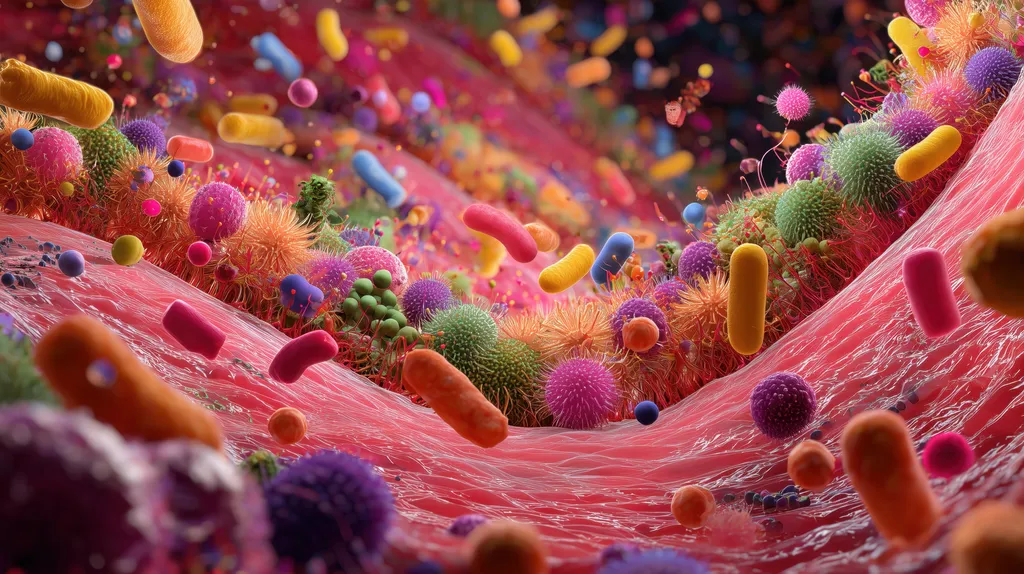
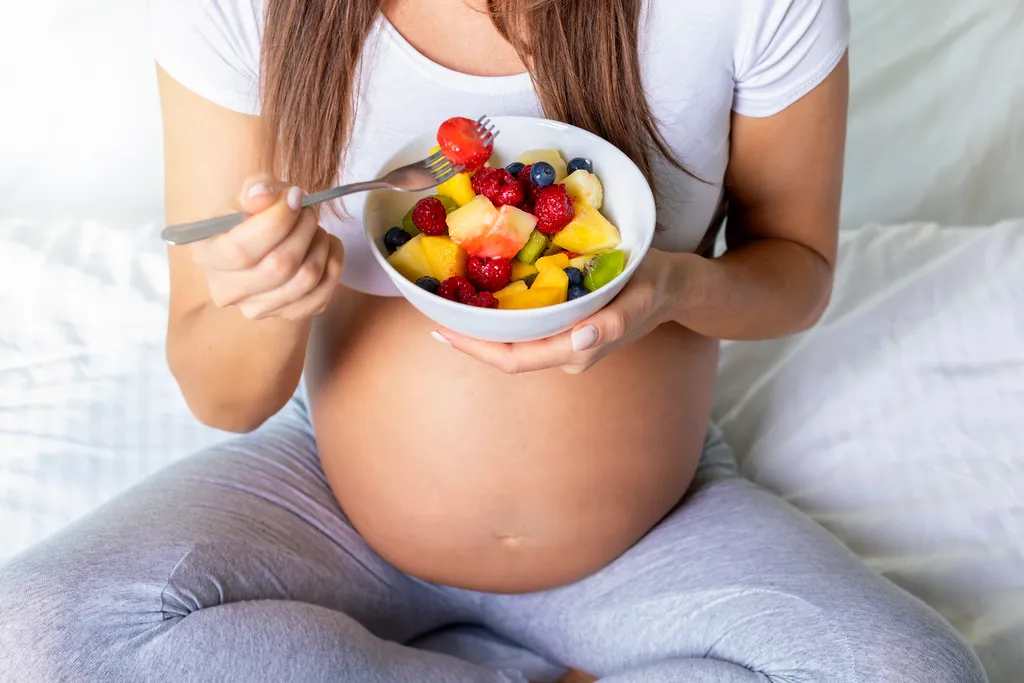
When you're pregnant, everyone talks about folic acid, vitamins and eating the right foods. But there's something else that deserves attention: your gut microbiome. Those trillions of microorganisms living in your digestive system do far more than help you digest food. They interact with your immune system, support metabolism and may influence aspects of your baby's early development. And their importance doesn't end when your baby arrives.
Your Gut During Pregnancy
Pregnancy brings enormous changes to your body, including your hormones, immune system and digestion.
Your gut microbiome may change too.
A healthy gut environment supports normal digestive and immune functions, while a varied, nourishing diet helps provide the nutrients needed during pregnancy.
Researchers are also exploring links between the maternal microbiome and pregnancy complications, including gestational diabetes. However, these findings don't mean that low microbial diversity directly causes pregnancy problems.
Your Baby's First Microbiome
Your baby's microbiome begins developing around birth and continues changing rapidly throughout infancy.
Birth, feeding, antibiotics and the surrounding environment all influence which microorganisms become established.
And here's something fascinating.
Breast milk doesn't just feed your baby. It also helps nourish their developing gut microbiome.
Human milk contains special carbohydrates called human milk oligosaccharides (HMOs), which help feed certain beneficial gut bacteria, particularly Bifidobacterium.
Breast milk also contains immune-supporting components that help protect your baby while their immune system develops.
Of course, breastfeeding isn't possible or suitable for every family. Formula-fed babies can also develop healthy gut microbiomes, and parents deserve support with whichever feeding approach works for them.
How Can You Support Your Gut?
You don't need expensive supplements or complicated routines.
Start with the basics.
Eat a variety of plants. Vegetables, fruits, whole grains, beans, nuts and seeds provide different fibres for your gut microorganisms.
Include fibre daily. Oats, lentils, berries and vegetables can support regular bowel movements, particularly when pregnancy constipation becomes an issue.
Choose fermented foods carefully. Pasteurised yoghurt with live cultures can be a useful option. During pregnancy, avoid unpasteurised dairy and fermented products with uncertain food safety.
Stay hydrated. Fluids are particularly important during pregnancy and breastfeeding.
And remember, probiotics aren't automatically necessary. Supplements during pregnancy and breastfeeding should be discussed with your midwife, GP or another appropriately qualified healthcare professional.
How Can I Help at BodyKode?
At BodyKode, I believe supporting a mother's health is an important part of supporting her baby.
Whether you're planning a pregnancy, expecting or breastfeeding, I can help you explore your nutrition, digestion and everyday eating habits.
We can look at ways to support your gut microbiome, manage digestive discomfort and ensure you're getting the nutrients you need during this important stage of life.
Because looking after your gut is one more way of looking after yourself and your growing family.
If you'd like personalised nutritional support during pregnancy or breastfeeding, book a consultation with me at BodyKode in Cheltenham.
Let's give both you and your baby a nourishing start.
Kasia Wheeler
BodyKode
This article is for general information and isn’t a substitute for advice from your GP or another qualified healthcare professional.