
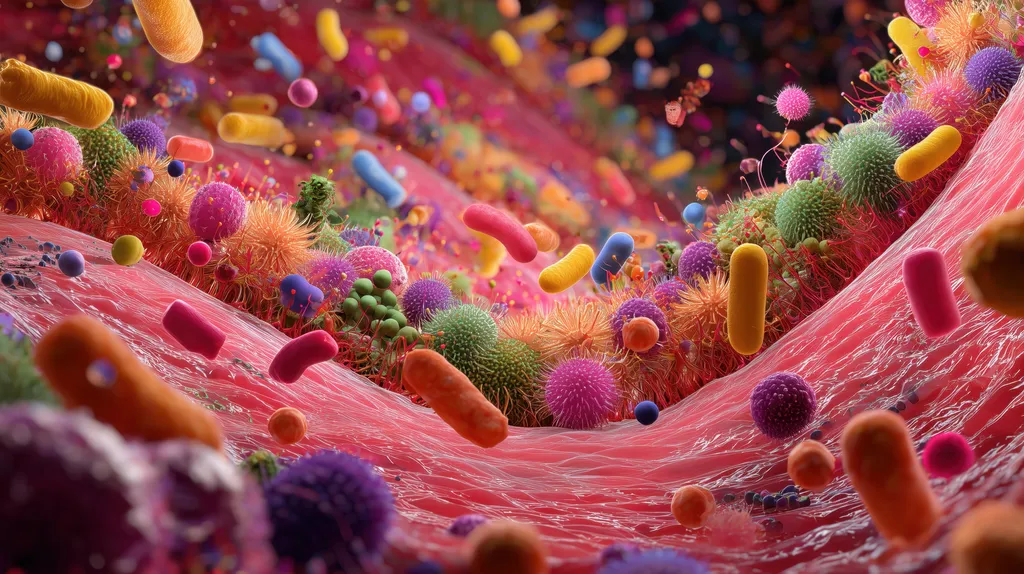
Did you know that your gut is home to trillions of microorganisms, many of which play an important role in keeping you healthy? And I'm not just talking about digestion. Your gut microbiome is involved in immune function, nutrient metabolism and even communication between your gut and brain. But here's something I find particularly fascinating: it's not just about having good bacteria. It's about having a diverse community of them.
Why Does Gut Diversity Matter?
Think of your gut microbiome like a garden. A garden filled with different plants is generally more resilient than one containing just a single species.
Your gut works in a similar way.
Different microorganisms perform different jobs. Some help break down fibre, others produce beneficial compounds called short-chain fatty acids, including butyrate, which helps fuel the cells lining your colon.
A varied microbial community can support a range of these functions.
What Happens When Diversity Is Low?
Research has found associations between altered gut microbial diversity and conditions such as obesity, type 2 diabetes and inflammatory bowel disease.
Low diversity may also reflect a less resilient gut ecosystem, although it doesn't automatically mean you're unhealthy or that you'll develop a disease.
Scientists are still learning what a healthy microbiome looks like, and diversity alone doesn't tell us everything. Which microorganisms are present and what they're doing matter too.
Your microbiome can be influenced by diet, medications (particularly antibiotics), age, illness and lifestyle.
How Can You Support Your Microbiome Naturally?
The good news? Your daily food choices can make a difference.
Eat more plant variety. Vegetables, fruits, beans, lentils, nuts, seeds, herbs and whole grains provide different fibres and compounds for your gut microbes.
Include prebiotic foods. Onions, garlic, oats, asparagus and slightly green bananas contain fibres that certain gut bacteria can use.
Try fermented foods. Live yoghurt, kefir, sauerkraut and kimchi can introduce microorganisms and add variety to your diet.
Increase fibre gradually. More isn't always better overnight, particularly if you're already struggling with bloating or IBS.
And don't assume everyone needs a probiotic supplement. Different strains have different effects, and they're not a universal solution.
Can You Actually Test Your Gut Microbiome?
Yes, although microbiome testing is still an emerging area of science.
At BodyKode, I offer advanced gut microbiome testing through GutMapDx, which can provide information about the microorganisms present in your gut, including diversity and composition.
I use these findings alongside your symptoms, diet and health history rather than treating a microbiome report as a diagnosis.
This is particularly relevant if you're interested in understanding your gut health more deeply or exploring personalised nutritional support.
This Is Why I Created BodyKode
I wanted to create somewhere people could ask questions about their health and receive thoughtful, personalised support rather than another generic list of supplements.
Whether you're struggling with bloating, irregular digestion or simply want to understand your gut better, we can explore your nutrition, lifestyle and digestive patterns together.
Because looking after your gut isn't about chasing the perfect bacteria. It's about creating an environment where a healthy microbial community can thrive.
Curious about your microbiome?
Book a free 15-minute discovery call with me at BodyKode in Cheltenham to discuss whether gut health support or microbiome testing may be appropriate for you.
Kasia Wheeler
BodyKode
This article is for general information and isn’t a substitute for advice from your GP or another qualified healthcare professional.